As the charge for copper , lithium , nickel , cobalt , and other rare earth elements heats up , the encroachment of mining on Africa ’s great apes may be even higher than antecedently remember .
unexampled research has looked at where African mining areas overlap with expectant ape habitats and found that one - third of the continent ’s gorillas , chimpanzees , and bonobo – around 180,000 person in total – are at risk .
Researchers atRe : wildstudied minelaying situation in 17 African commonwealth and worked out how they might impact local great ape universe , both directly and indirectly .
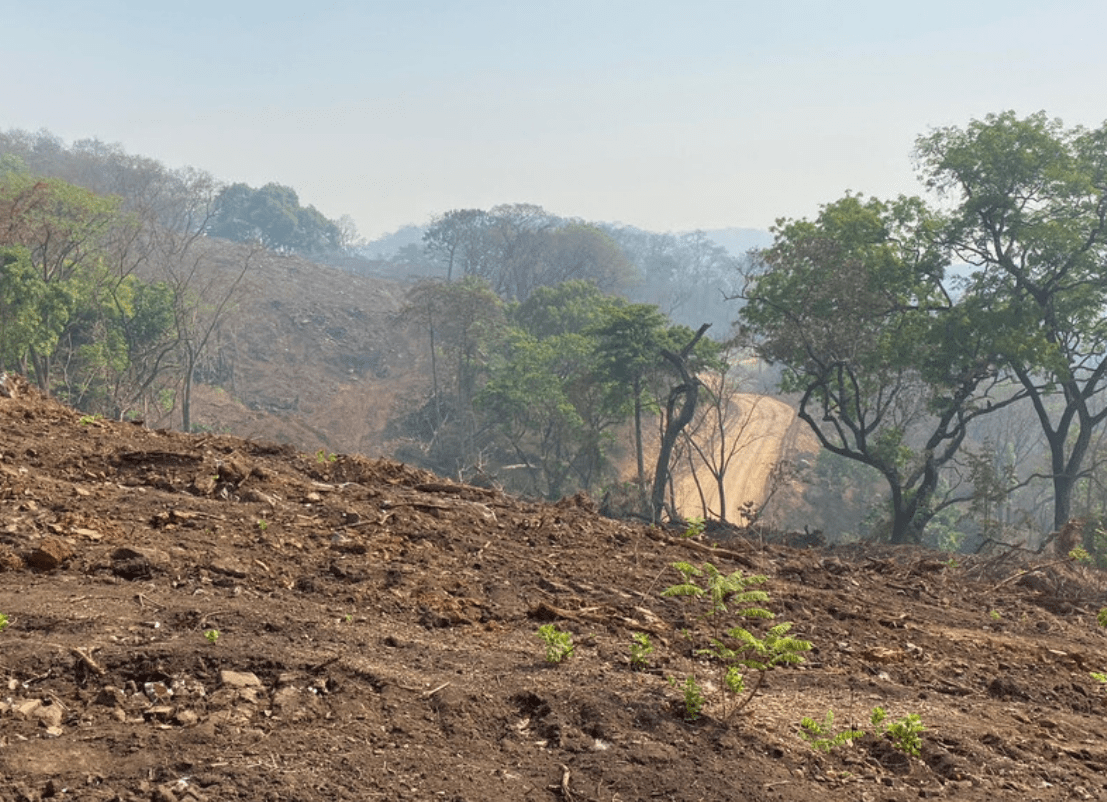
Chimpanzee habitat cleared for a railway to transport iron ore to a port in Guinea.Image credit: Genevieve Campbell
They included 10 - km ( 6 - mile ) soften zones around each mining site to answer for for direct impacts , such as habitat destruction and dissonance befoulment . Crucially , they also included a wider 50 - kilometer ( 30 - mile ) soften zone for indirect impact colligate to increased human activity near excavation sites , such as new roads and infrastructure .
“ Currently , studies on other species hint that excavation harms apes through pollution , habitat loss , increase hunt force per unit area , and disease , but this is an uncomplete characterisation . The lack of data sharing by excavation project hampers our scientific intellect of its true impact on keen copycat and their home ground , ” Jessica Junker , run source of the work and research worker at Re : wild , said in astatement .
The job was especially severe in the Western African nations of Liberia , Sierra Leone , Mali , and Guinea where there was the most significant overlap of mining and ape density . In Guinea , for lesson , more than 23,000 chimpanzee – around 83 percent of the area ’s ape population – are pose to be straight or indirectly impacted by minelaying activities .
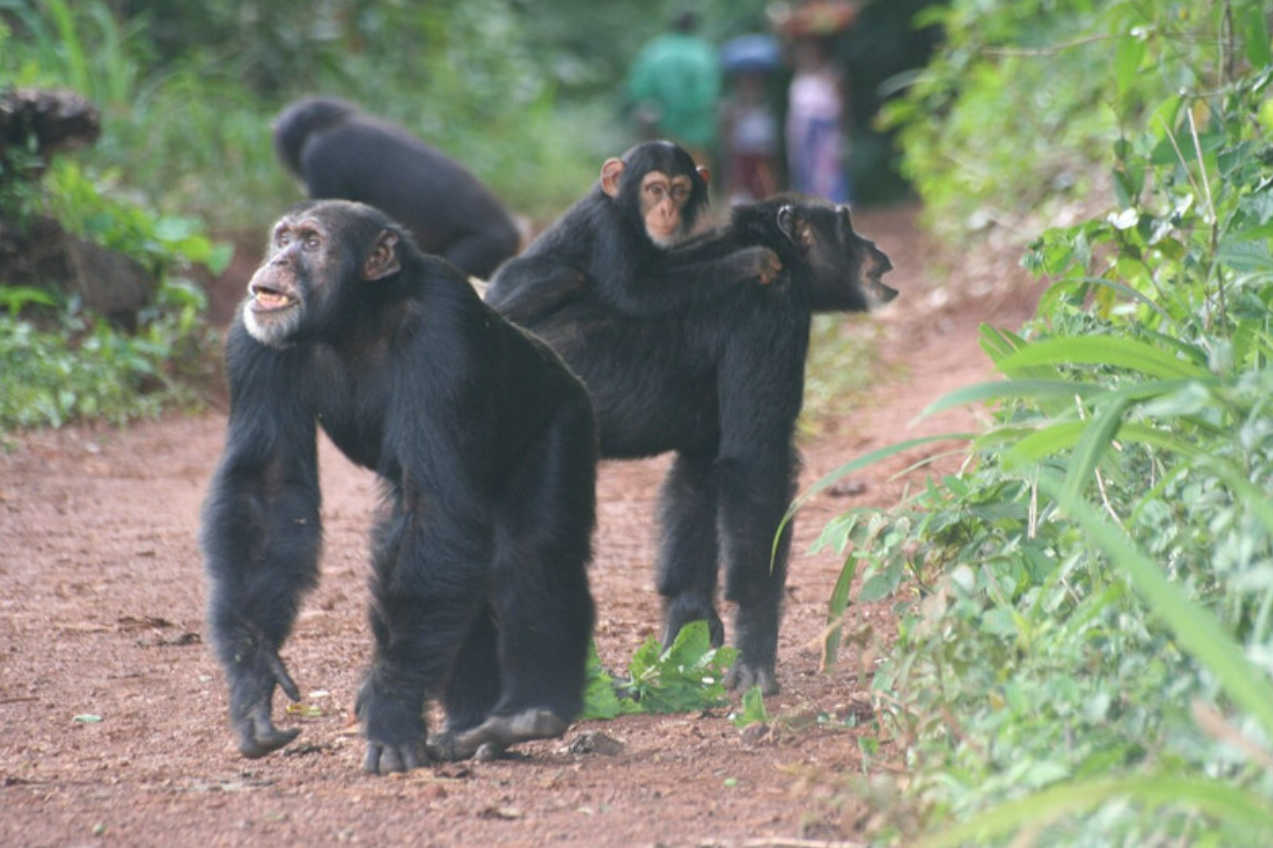
Chimpanzees walking along a human-made road.Image credit: Tatyana Humle
Ironically , the current minelaying boom in Africa is being driven by the rapid growth of clean energy technology . rarefied solid ground chemical element , like cobalt and lithium , are critical for rechargeable batteries and other unripened technology that will play an invaluable character in the transition away from fossil fuel .
However , they hail at a monetary value . These minerals are deposited beneath the Earth ’s aerofoil and postulate disruptive minelaying practices to hold them , resulting inecosystem destructionandIndigenous land grabs .
“ Mining companies need to focus on avoid their impacts on great apes as much as possible and habituate set off as a last resort as there is currently no model of a swell ape setoff that has been successful ” , explained Genevieve Campbell , aged researcher at Re : idle and contribute expert of emulator preservation at the IUCN .
" turning away take to take place already during the geographic expedition form , but unluckily , this form is poorly regulated and ‘ baseline datum ’ are collected by companies after many yr of exploration and habitat demolition have taken place . These information then do not accurately reflect the original state of the great ape universe in the domain before mining impacts , " she added .
The requirement for so - call decarbonization minerals is n’t just dress to impact wildlife ; man are also getting embroil up in this mint . On the Indonesian island of Halmahera , minelaying for nickel and cobaltthreatens to pass over out an uncontacted tribecalled the Hongana Manyawa , which think “ hoi polloi of the Forest ” in their own language .
The novel study is published in the journalScience Advances .
