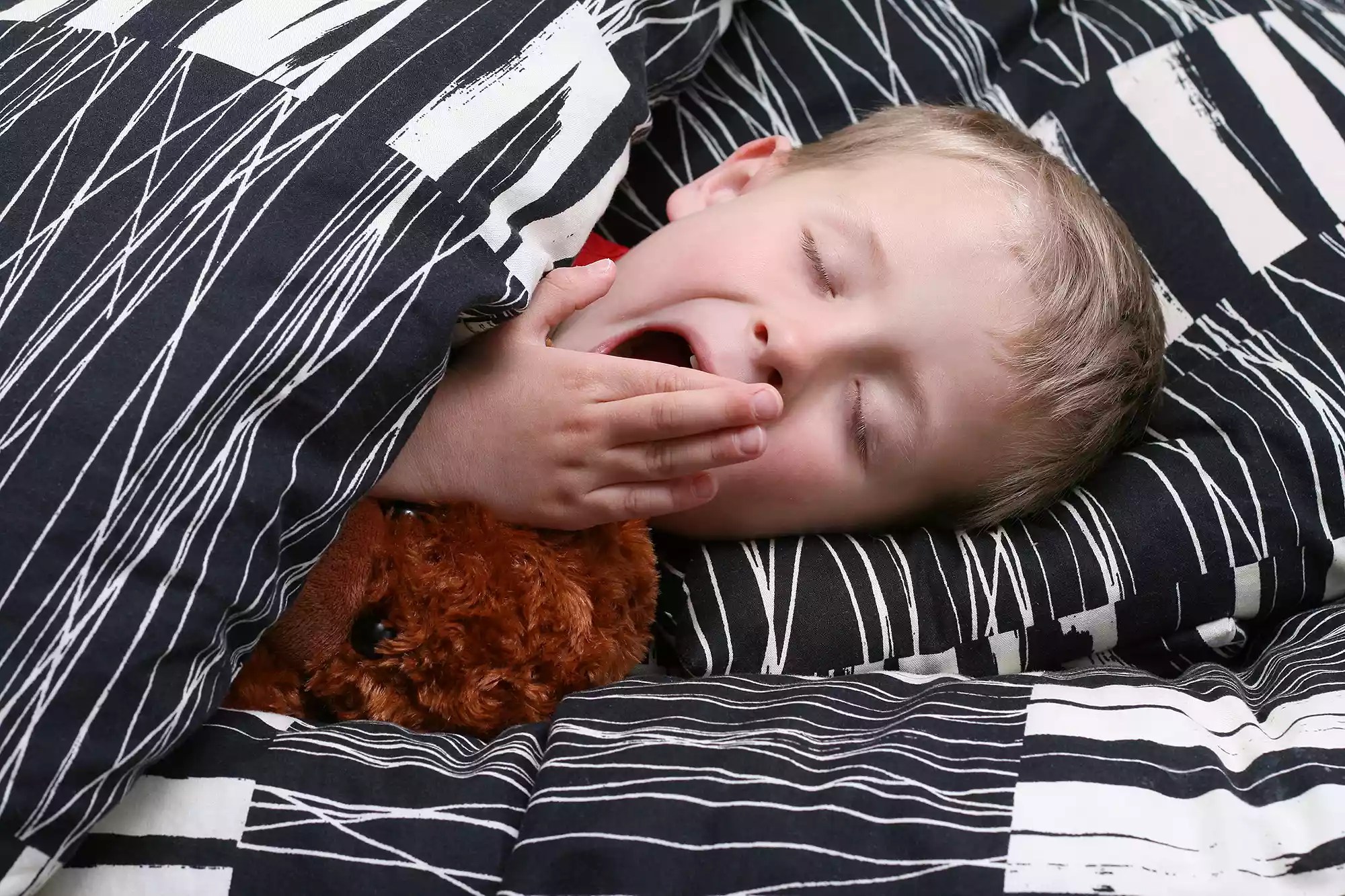
Child sleeping.Photo: Getty

The United States has seen a dramatic increase in children accidentally ingesting harmful amounts of melatonin in the last ten years.
Melatonin is a naturally-occurring hormone that the brain produces in response to darkness thathelps promote sleep. It’s produced as a dietary supplement and sold widely over the counter as a liquid, pill or chewable gummy.
The study analyzed 260,435 pediatric melatonin ingestions reported in the American Association of Poison Control Centers' National Poison Data System (NPDS) during a 10-year period. Of all cases, 19,892 were treated at a health care facility and then released, 4,097 children were hospitalized and 287 ended up in the intensive care unit.
Reports also show the largest spike of 38% occurred during the first year of the coronavirus pandemic. During this time, children were spending more time at home due to stay-at-home orders and school closures, as well as experiencing sleep disturbances — two factors which might have led to increased availability of melatonin in the home.
Never miss a story — sign up forPEOPLE’s free daily newsletterto stay up-to-date on the best of what PEOPLE has to offer, from juicy celebrity news to compelling human interest stories.
The agency said that the largest increase in hospitalizations came from accidental ingestion and occurred in children 5 years old and younger.
Dr. Karima Lelak, emergency physician at Children’s Hospital of Michigan and lead author of the study, toldNPRthat parents typically leave melatonin on nightstands, much like everyday vitamins.
“But really it’s a medication that has the potential to cause harm, and should be put way in the medicine cabinet,” Lelak said.
Want to get the biggest stories from PEOPLE every weekday?Subscribe to our new podcast, PEOPLE Every Day, to get the essential celebrity, entertainment and human interest news stories Monday through Friday.
Child sleeping.Getty
Melatonin — specifically in gummy form — can also seem appealing to children and be consumed in bulk, Dr. George Wang, a pediatric emergency medicine physician at Children’s Hospital Colorado, warns.
“Many of them are not in any child-resistant packaging,” Wang said, perNBC News. “There’s no regulations on how they should be packaged. A child could get into a significant amount of them.”
Melatonin supplements “appear to be safe” for most children, however there are minimal studies on melatonin use for children, according to theNational Institutes of Health. Experts from theAmerican Academy of Pediatricssay a low dose of 0.5 mg or 1 mg taken 30 to 90 minutes before bed is appropriate for children. Additionally, children who benefit from melatonin should not consume more than 3 to 6 mg.
Symptoms of melatonin over-ingestion in children include abdominal pain, nausea or vomiting, dizziness or headaches, excessive tiredness, anxiety, joint pain, blood pressure issues, and more. The poison control center can be reached at 800-222-1222.TheAmerican Academy of Pediatricsrecommends that any parents considering any use of melatonin for children speak to their pediatrician first.
Before turning to over-the-counter supplements like melatonin, experts at theAmerican Sleep Foundationrecommend reducing stress around bedtime and putting away electronic devices; practicing deep breathing; making bedrooms a quiet, cool and dark environment; meditation and sticking to a regular sleep schedule.
source: people.com
