A load of 1,800 - yr - old marble columns has been find oneself among the crash of a ship in Israel . go out back to the long time of the Roman Empire , this is the oldest sea cargo of its form ever discovered in the Eastern Mediterranean .
Recent dive to the web site have shown that the ship was carrying a number of Corinthian columns measuring up to 6 time ( 19 metrical foot ) long that are ornately embellish with motive of plants .
The ancientshipwrecklies around 200 meters ( 656 feet ) from the coastline of Bet Yannai , around 6 kilometers ( 3.7 mile ) Frederick North of the city of Netanya . The site has been known for some time , but the precise positioning of the cargo was only disclose a few weeks ago when a storm upset the Baroness Dudevant in the surface area .
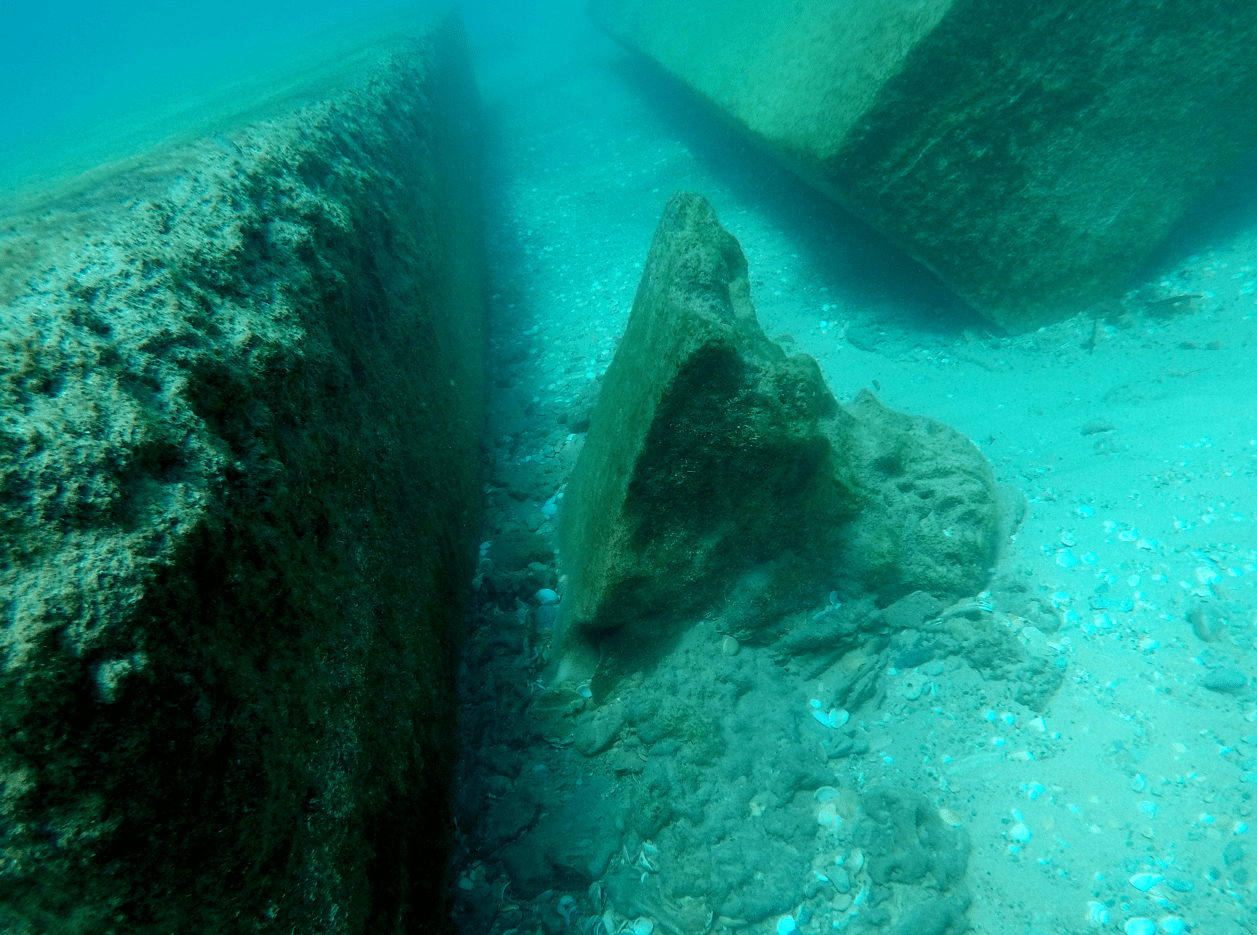
The style of the column is typical of Corinthian order.Image credit: Israel Antiquities Authority
“ The late tempest must have exposed the cargo , and thanks to Gideon ’s crucial written report , we have been able to register its location , and stockpile out preliminary archaeological investigations , which will lead to a more in - profoundness research projection , ” he said .
It ’s potential the marble add up from what is now modern - day Turkey or Greece and was heading for a location along the southern Levantine slide , such as Gaza or possibly even Alexandria in Egypt , where it would be used in the grammatical construction of a grand public building .
alas , it appears the ship knuckle under to a tempest in shallow urine and the manner of speaking did n’t reach its finish .

Another one of the seafloor Corinthian discoveries.Image credit: Israel Antiquities Authority
“ These o.k. while are characteristic of enceinte - scale , regal public buildings . Even in Roman Caesarea , such architectural chemical element were made of local stone covered with white sticking plaster to come out like marble . Here we are talking about true marble , ” Sharvit explains .
“ From the size of the architectural element , we can calculate the dimensions of the ship ; we are talking about a merchant ship that could pay a cargo of at least 200 tons , ” adds Sharvit .
The unique find help to answer some question aboutRoman - period computer architecture in the Levant and beyond .
“ Land and ocean archaeologists have long argued whether the Roman menstruum imported architectural element were altogether act upon in their lands of origin , or whether they were transmit in a partially carved material body , and were chip at and forge at their situation of destination , ” stay Sharvit .
“ The uncovering of this payload conclude the debated issue , as it is manifest that the architectural elements left the quarry situation as introductory raw cloth or part worked artifacts and that they were fashioned and terminate on the construction site , either by local artists and artisans or by artists who were brought to the land site from other countries , similarly to specialist mosaic artists who traveled from web site to site follow commission projects , ” he said .
